How a Solo Photo Booth Operator Built a Seven-Figure Business (Without Quitting His Day Job)
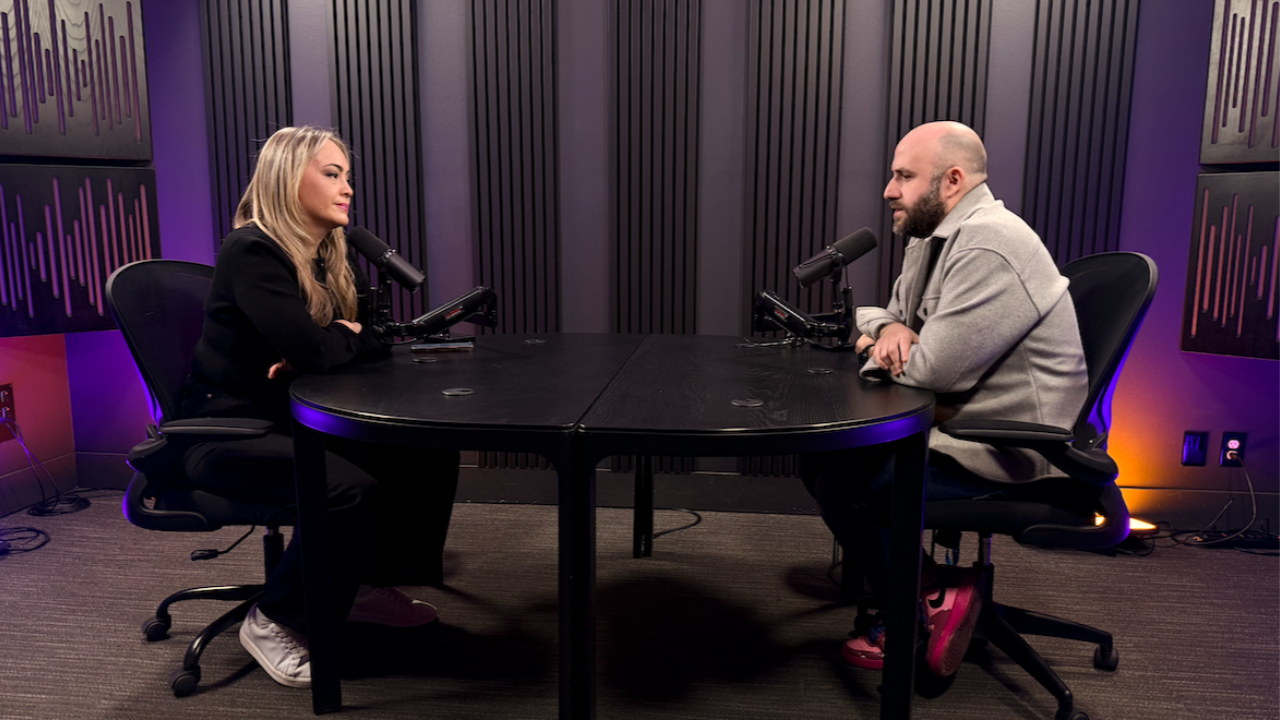
If you've ever told yourself you can't scale your photo booth business because you don't have a big team, a warehouse full of gear, or a perfectly documented SOP for every scenario, Zach Shiffman of Studio Z Photo Booth would like a word.
Zach is a solo photo booth operator in the New York metro area. He stage manages NBC's Today Show most mornings. He built a seven-figure photo booth business while working full time. He lands $150,000 corporate contracts. And his system for managing live events? Monitoring printer status from his phone and remote-accessing his booth computers while his staff doesn't even know he's watching.
In Episode 2 of Scaling Out Loud, I sat down with Zach for one of the most honest conversations I've had about what it actually takes to build something real in this industry. And what it costs you to do it on your own.
Episode 1: CEO or Chief Everything Officer
From ESPN to $150,000 Contracts: The Studio Z Origin Story
Zach didn't start in the photo booth industry. He graduated from Emerson College in 2009 with a background in television production and entertainment marketing. He was making $27,000 a year at ESPN in Bristol, Connecticut and wanted more.
In 2012, inspired by a photographer-based photo booth setup he saw at his cousin's wedding in Las Vegas, Zach launched his own company. He took a small inheritance, paid off his student loans, and used what was left to buy a camera, a printer, and some props. Then he listed on Groupon.
His setup: a camera on a tripod, a Mac running Breeze software, and a monitor on a table so guests could see themselves. Not a fancy enclosure. Not a full kit. Just a start.
The Groupon did what it was supposed to do. It blasted his name across the Connecticut market and generated his first bookings. He made roughly $200 per event after Groupon's cut. It wasn't glamorous, but it gave him capital and momentum.
A few years later, a job move to NBC in New York changed everything. A Monday through Friday schedule freed up his nights and weekends. Access to one of the most affluent markets in the country. New networking opportunities that quickly turned into wedding bookings, corporate clients, and the industry relationships that would define his business.
The Mindset That Built a Seven-Figure Solo Operation
Doing It Differently Doesn't Mean Doing It Wrong
One of the most important things Zach said in our conversation was simple: his business works because it works for him. Not because it follows anyone else's formula.
I've built my businesses around SOPs, a full team, and documented systems. Zach built Studio Z on organized chaos, trusted relationships, and remote-monitoring technology. His approach is leaner. It's riskier by some definitions. And it generates seven figures.
The takeaway for photo booth founders isn't to copy Zach's model. It's to stop assuming that if your business doesn't look like someone else's, it's broken. It might just be yours.
As I said during our conversation: you can build the business however you want to. There are going to be pros and cons. There's no right or wrong way. It's just the way you decide to do it.
Creating Demand Before the Market Catches Up
Zach has a philosophy about trends that every photo booth operator needs to hear.
When he got into 360 photography, he was one of the only people in New York doing it. He imported a $10,000 360 rig and was charging $8,000 to $10,000 per event. By the time 360 booths became a staple at industry conferences, the market had flooded. Competitors were doing events for $100.
His rule: if you're seeing something on the floor at PBX, you've missed the trend.
This isn't about being reckless with gear purchases. It's about positioning yourself ahead of the market, getting in when margins are high, and knowing when to move on. Zach built this approach across multiple product categories alongside his longtime industry partner Steve, from slider systems to audio guest books.
How One Solo Operator Manages $150,000 Events Without a Full Team
The Remote Management System That Makes It Possible
When I visited Zach in New York, we were driving and his phone started getting automated texts. Not from his staff. From his photo booth. An alert telling him a printer had gone offline and then come back up. He glanced at his phone, said "never mind, it's back up," and kept driving.
Zach has set up iOS automations that alert him the moment a booth goes offline, which software is running, and whether there are connectivity issues. He can remote into the booth's PC via Google Remote Desktop without his employees ever knowing he's in there. Inside his booth enclosure, he runs a hardwired mobile hotspot router that keeps both the PC and iPad connected independently.
His staff doesn't need to understand the backend. They show up, the booth turns on, it prints. Zach handles the rest from wherever he is.
This is a masterclass in building infrastructure around your actual lifestyle rather than trying to force a model that doesn't fit.
White Labeling as a Scaling Strategy
Zach's other growth tool is his network. When he gets double-booked or lands an opportunity that conflicts with an existing commitment, he doesn't say no. He white labels to trusted colleagues.
His primary white label partner runs a similar operation with the same equipment, the same client standards, and the same execution style. When Zach can't be somewhere, his partner steps in and quality never drops.
The lesson: build your white label network before you need it. Every year at industry events, in online communities, and in every conversation you have with people you trust.
The Real Cost of Being a Solo Operator
Zach is honest about this in a way that's refreshing. Being the only person means being the only person.
Long days that start at 4:45 AM for the Today Show and end at midnight after a corporate event. December being the most exhausting month of the year by a wide margin. Relationships taking a hit when you're gone most of April.
He's building a house with his wife. They're planning to start a family. And he's acknowledged that those life changes will require decisions about both careers.
The burnout was real enough that he once worked 4 AM to midnight, then back at 4 AM, for multiple days in a row during peak season. He got sick. He adjusted. Now he's more strategic about which events he stacks in December and more willing to write off a slow week rather than push himself past his limit.
His dream version of the business? One director of operations who handles the day-to-day. Not a full staff. One trusted person who frees him for the creative and strategic work he actually wants to be doing.
Pricing: The Lesson He Learned Too Late
Raise your prices.
That's it.
Zach went from $400 Groupon events to $1,800 to $2,000 as a base for standard packages. His per-event profit on those, even after paying his part-time staff a flat rate of $250 per event, is consistently over $1,500.
His corporate contracts operate in a completely different tier.
But here's the piece that will stick with you: the more a client pays, generally the easier they are to work with. Budget-conscious clients want everything from you and are rarely satisfied. High-paying clients trust you, communicate clearly, and come back again.
He also made a point that most founders need to hear: you may not be your own ideal client. Zach shops for handymen at the $500 price point, not the $1,500 one. That doesn't mean he should price his photo booth services at $500. Your buying habits and your clients' buying habits are not the same thing.
Photo booth pricing strategy for moving into the premium market
Gear Philosophy: Buy Less, Rent More
Zach's number one piece of advice for his 2012 self: buy less, rent more.
He has owned equipment he used once, stored for years, and eventually sold at a loss. A selfie booth array that got sidelined by COVID and never saw another event. An early-version aura with no flash cutout that still sits unused. A warehouse sale that cleared out gear purchased on optimism and never put to work.
His philosophy now: don't buy gear you don't have a client for. If you can rent something for $40, rent it. If the ROI isn't clear, wait.
This applies directly to trend-chasing in the photo booth industry. The fear of missing out drives purchases that don't generate return. Zach gets in early on trends when there's a confirmed client and moves on before the market saturates.
The Events That Almost Broke Him
VidCon: 12 Hours of Waiting, Then a Rush to the Finish
Prior day load-in involved sitting in the venue for 12 hours before gaining meaningful access. The activation itself was a success: custom rooms, multiple photo op stations, sharing galleries, Snappic running on the backend. But the pre-event chaos nearly broke him.
Lesson learned: always clarify load-in expectations, access timelines, and the full vendor experience in writing before signing a contract at that scale.
The NBA Draft: When the Internet Fails You in Front of 20,000 People
Zach has done the NBA Draft for four years. In one difficult year, he was positioned off camera left from the main stage. The plan: capture a 360 of the number one pick putting on his hat and play it back instantly on broadcast.
Fifteen to twenty thousand people filled the Barclays Center. The ESPN private Wi-Fi couldn't handle the congestion. Bluetooth dropped. Nothing was uploading in real time.
He felt like he failed them even though there was nothing he could have done. The footage was eventually used for social content and other sports broadcasts. He's trying again this year with a different workflow. Because that's what professionals do: they go back, adapt, and figure out how to do it better.
The $150,000 Bespoke Activation
Zach, with support from his industry partner Steve and some on-site help from me, created a six-activation experiential event linked by a custom system. Every guest received a printed ID badge with a QR code. That code triggered their session at every activation across the event. Each guest had a personal microsite gallery. Sessions were automatically matched to their profile via barcode scanners. He vibe-coded custom software to handle a cinema robot activation that couldn't run through standard booth software.
The contract: $150,000.
The outcome: the client called again.
That contrast between a $150,000 contract and the $2,000 gift booth he did the following week tells you everything you need to know about why pricing and client positioning matter so much.
Key Takeaways for Photo Booth Founders
What you can start doing today:
-
Audit your pricing. If you've charged the same rates for more than a year, it's time to raise them.
-
Build your network before you need it. The white label relationships that save you are built in advance, not in a panic.
-
Know your gear ROI before every purchase. Do you have a confirmed client? Can you rent it instead?
-
Invest in remote management tech. Mobile hotspots, remote desktop access, and automated alerts keep you in control without requiring your physical presence.
-
Stop chasing budget clients. Raise your prices and attract clients who trust you.
Frequently Asked Questions
Can you run a successful photo booth business as a solo operator? Yes. As Zach Shiffman of Studio Z Photo Booth demonstrates, a solo operator can build a seven-figure photo booth business with the right combination of technology, a trusted white label network, and strategic client positioning. It requires more remote management infrastructure and careful event selection than a team-based model, but it is absolutely achievable.
How do solo photo booth operators manage multiple simultaneous events? Experienced solo operators use trusted white label partners, part-time event staff, and technology tools like remote desktop access, mobile hotspots, and automated alerts to manage events they can't attend personally. Building a strong network of trusted operators across markets is essential for growing past your individual capacity.
What is white labeling in the photo booth industry? White labeling means having another photo booth company execute your event under your brand and contract. You maintain the client relationship and your margin while your white label partner handles on-site execution. It requires a highly trusted partner with matching equipment standards and service quality.
How do you price photo booth services for corporate events? Corporate photo booth pricing varies based on event complexity, client budget, and market. Standard packages can start at $1,800 to $2,000 as a base. Bespoke corporate activations with custom technology and multi-activation setups can range from $10,000 to $150,000 or more for multi-day events. The key is pricing based on value delivered, not hours spent.
When should you buy vs. rent photo booth equipment? Only purchase gear when you have a confirmed client or a clear ROI path for the investment. Renting is often smarter than purchasing for specialty items and emerging technology products. If you're seeing a piece of equipment widely promoted at industry conferences, the trend window may already be closing.
What is the hardest part of running a solo photo booth business? Capacity. A solo operator cannot be in multiple places, which creates missed revenue opportunities during peak season, difficulty scaling into simultaneous events, and personal burnout from long days and limited time off. Technology infrastructure and white label relationships can offset some of these limitations.
How do you know when it's time to hire in a photo booth business? When you find yourself unable to take creative time, constantly scrambling before events, and when the stress of operating alone is affecting your relationships and health. Zach Shiffman's ideal first hire is a director of operations, not another event worker, to handle the day-to-day and free him for growth and creative work.
SUBSCRIBE FOR ALL THE PHOTO BOOTH TIPS.
By subscribing to our newsletter, you consent to receive promotional emails, updates, and other marketing communications from our company. We respect your privacy and will never share your information with third parties without your consent. You may unsubscribe at any time by clicking the unsubscribe link in any email.